Standing on hard concrete floors for 8–12 hours takes a measurable toll on factory workers. Fatigue, lower back pain, and reduced alertness are not just comfort issues — they directly impact productivity, error rates, and absenteeism.
Anti-fatigue matting is one of the most cost-effective interventions a facility manager can make. Here's everything you need to know.
What Are Anti-Fatigue Mats?
Anti-fatigue mats are engineered PVC or rubber floor coverings designed to reduce the physical stress of prolonged standing. They work by creating a slightly unstable surface that encourages subtle micro-movements in the legs and feet, promoting blood circulation and reducing muscle fatigue.
Unlike standard floor mats, anti-fatigue mats have a cushioned core — typically 10–15mm thick — that absorbs impact and returns energy to the worker's feet.
Why Do Factories Need Them?
The Problem with Concrete Floors
Concrete is the standard factory floor material for good reason — it's durable, chemical-resistant, and easy to clean. But it has zero give. Workers standing on concrete experience:
- Muscle fatigue — legs and lower back tire 2–3x faster than on cushioned surfaces
- Poor circulation — static standing on hard surfaces restricts blood flow to the feet
- Joint stress — knees and ankles absorb full impact with every step
- Reduced alertness — physical discomfort leads to decreased focus and higher error rates
The Business Case
Studies consistently show that anti-fatigue matting delivers measurable ROI:
- Up to 50% reduction in fatigue-related complaints
- Decreased absenteeism due to musculoskeletal issues
- Improved productivity — comfortable workers are more focused and make fewer errors
- Reduced workplace injury claims — a direct cost saving
Where to Use Anti-Fatigue Mats
Anti-fatigue matting is most effective in areas where workers stand for 2 or more hours without significant walking. Common factory locations include:
- Assembly lines — workstations where operators stand at fixed positions
- Quality inspection stations — where visual focus requires stationary standing
- Machine operation areas — CNC, lathe, and press operator positions
- Packing and dispatch — sorting, packing, and labeling stations
- Tool rooms and workshops — benches and workstations
What to Look For
Key Specifications
| Specification | What It Means | Recommended Value |
|---|---|---|
| Thickness | Cushion depth | 10–15mm for standing, 6–8mm for walking |
| Density | Firmness and support | Medium-firm (not too soft, not too hard) |
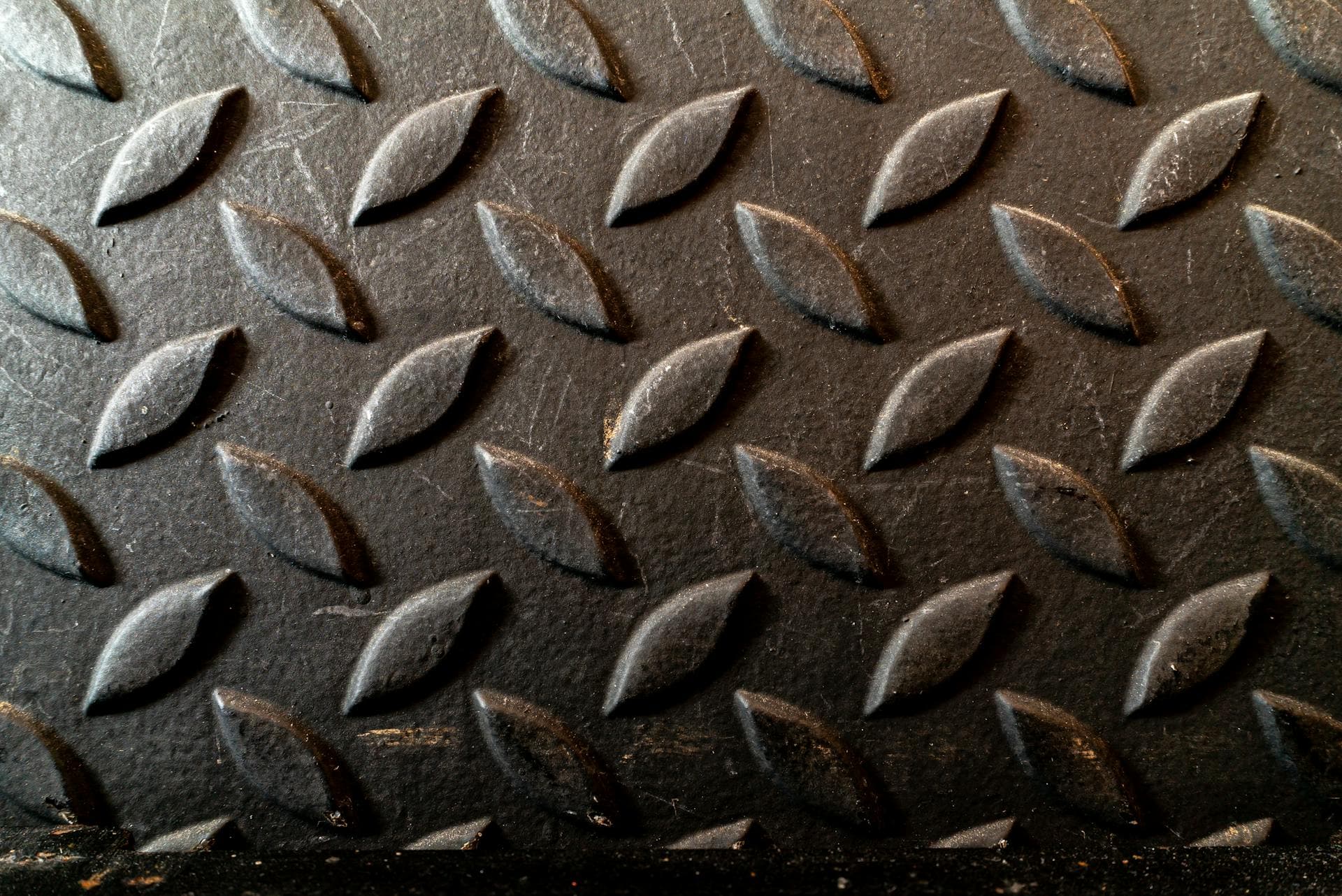
| Surface texture | Grip and drainage | Raised pattern for slip resistance |
| Fire rating | Safety compliance | Class A fire retardant |
| Chemical resistance | Durability in industrial environments | Oil, grease, and solvent resistant |
| Edge design | Trip hazard prevention | Beveled or ramped edges |
Material Comparison
PVC mats (like Softurf's Cushion Mat range) are the most popular choice for Indian factories because they offer:
- Excellent chemical resistance — handles oils, greases, and coolants
- Fire retardant properties — Class A rated
- Easy cleaning — hose down or vacuum
- Long lifespan — 8–10+ years with proper maintenance
- Custom sizing available — cut to fit any workstation
Rubber mats are an alternative but tend to be heavier, harder to clean, and more expensive.
How to Calculate Your Requirements
Step 1: Identify Zones
Walk your factory floor and identify every position where workers stand for 2+ hours. Mark these on a floor plan.
Step 2: Measure Each Zone
For each workstation, measure the standing area. A typical individual workstation needs a mat of approximately 900mm × 600mm (3 feet × 2 feet). Assembly line stations may need longer mats — 1200mm × 900mm or continuous runners.
Step 3: Account for Traffic Patterns
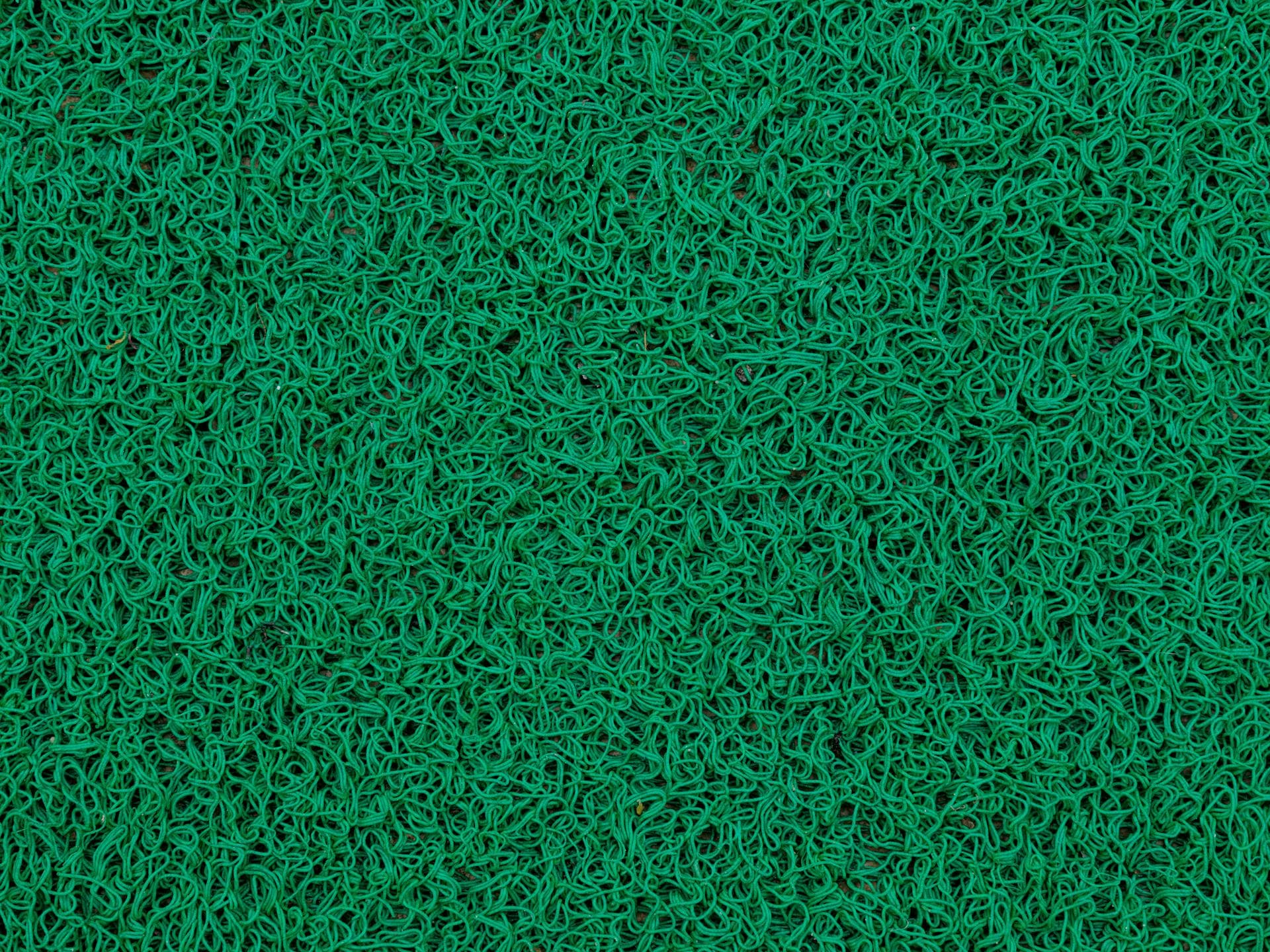
For walkways between workstations, consider ribbed or drainage mats rather than cushion mats. These provide comfort while handling foot traffic and allowing debris to fall through.
Step 4: Factor in Maintenance Access
Leave space for mat removal during cleaning. Mats should be easy to pick up, clean, and replace.
Installation Best Practices
- Lay mats on a clean, dry floor — moisture underneath causes slipping
- Butt-join adjacent mats — don't overlap, as this creates a trip hazard
- Use beveled edges at transitions between matted and unmatted areas
- Replace worn mats promptly — compressed mats lose their anti-fatigue properties
- Clean weekly — vacuum or hose down, depending on the environment
Recommended Products
For factory anti-fatigue applications, we recommend:
- Cushion Maxx — Our premium anti-fatigue mat with maximum cushioning and aggressive dirt trapping
- Indo Star — Medium-duty option with excellent durability-to-cost ratio
- Standard Duty — Budget-friendly option for light-duty standing areas
All Softurf cushion mats are manufactured in Bengaluru, fire retardant certified, and available in custom sizes. Request a quote for your factory's specific requirements.
Conclusion
Anti-fatigue matting is not a luxury — it's a proven tool for improving worker comfort, reducing injuries, and increasing productivity. For most Indian factories, PVC cushion mats offer the best balance of performance, durability, and value.
The key is matching the right mat to the right zone: cushion mats for standing workstations, ribbed mats for entrances, and drainage mats for wet areas. A properly planned matting system covers your entire facility with the right solution in each zone.
Need help calculating matting requirements for your factory? Contact our team for a free facility assessment and custom quote.